

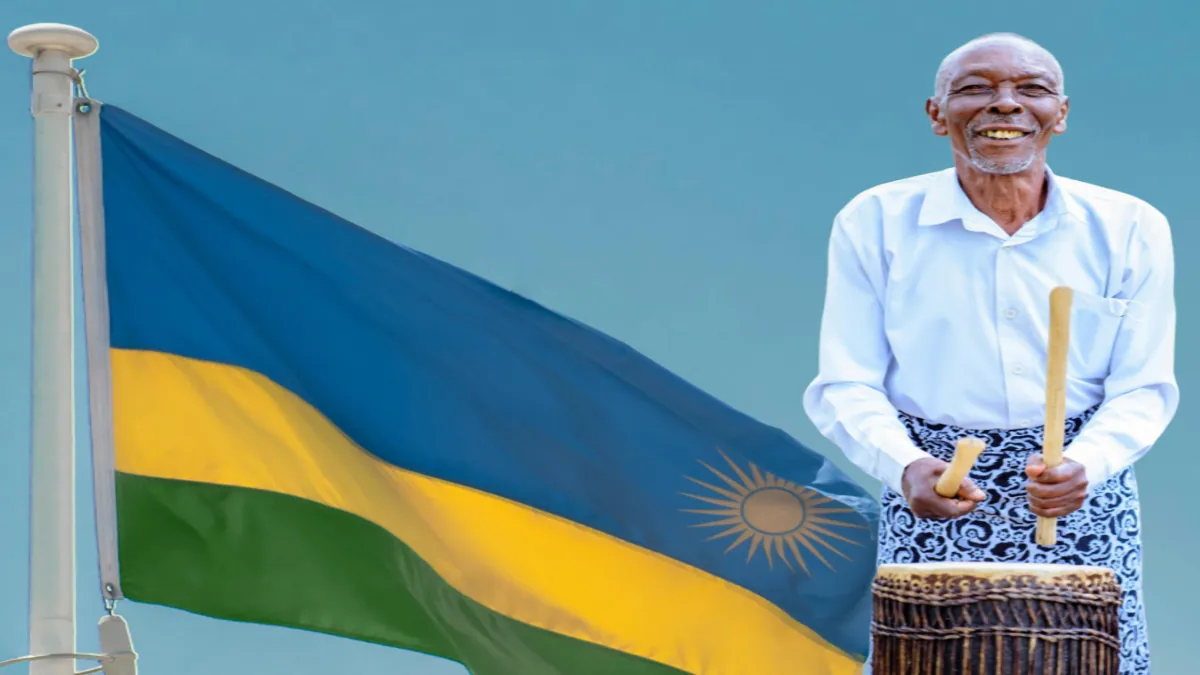
To truly live in Rwanda is to understand its rhythm of remembrance and celebration. The national calendar is a profound reflection of the country’s history, its diverse faith communities, and its deep agricultural roots. For any newcomer, these dates are not just holidays; they are the milestones of the Rwandan year, offering a window into the values that hold this society together.
The Complete Rwandan Public Holiday Calendar
In Rwanda, public holidays are observed with great respect. While many are fixed, several religious holidays follow the lunar calendar, and the government frequently observes holidays on the following Monday if they fall on a weekend.
Solemn Commemoration
Genocide against the Tutsi Memorial Day (April 7th): This is the most significant day in Rwanda. It marks the beginning of Kwibuka (Remembrance). For the following week, the country enters a period of official mourning. Music is not played in public, and the atmosphere is one of quiet reflection, remembrance, and “Never Again.”
National & Historical Milestones
New Year’s Period (January 1st & 2nd): Unlike many countries, Rwanda often observes both the 1st and 2nd of January as public holidays to allow for extended family gatherings.
National Heroes’ Day (February 1st): A day to honor those who demonstrated the highest values of patriotism and sacrifice for Rwanda.
Independence Day (July 1st) & Liberation Day (July 4th): These twin holidays celebrate the end of colonial rule and the end of the 1994 Genocide, respectively. They are central to the national identity of modern Rwanda.
Patriotism Day (October 1st): Commemorating the start of the liberation journey that shaped the nation’s current trajectory.
Faith and Tradition
Umuganura Day (First Friday of August): The National Harvest Day. It is a time for Rwandans to celebrate their achievements, thank the community, and look forward to future productivity.
Islamic Holidays (Eid al-Fitr & Eid al-Adha): These dates shift annually based on the moon. They are widely celebrated with community feasts and prayers.
Christian Observances: Good Friday, Easter Monday, Assumption Day (August 15th), Christmas Day, and Boxing Day (December 26th) are all official public holidays.
Living by the Local Calendar
- Kwibuka (April 7th–13th): Be mindful that this week is a time of deep grief. Many businesses operate on reduced hours, and social festivities are generally put on hold.
- The Monday Rule: Except for April 7th, if an official holiday falls on a weekend, the following working day is typically declared a holiday.
- Labour Day (May 1st): A day where the contributions of all workers in Rwanda’s growing economy are recognized.
New to the City?
From mastering Umuganda to setting up your SIM card and MoMo, read our comprehensive guide for your first 24 hours in Kigali.